Helping you build positive relationships from the Very beginning!
⭐⭐⭐⭐⭐ Consistent 5 Star Reviews from Happy Puppy Parents
Dog Training Specialist
in East Sussex and Surrey
Why choose My Complex Canine?
Fully supported progressive dog training services in East Sussex & Surrey for socialisation, behaviour and building a strong, positive bond with your canine companion
Our Qualifications and Accreditations
Choosing What's Best For Your Dog

Choose Where To Start
Choose between private puppy training or group puppy training classes.
Need help with your decision? See the flow chart below.
Turn Up and Practice
Commit to consistent practice and implementation of the training techniques.
Choose Your Next Step
Flexibility to switch your next level of support, between classes and 1:1s.
Which Dog Training Option is Best for Your Family?
Which Option is Best for Your Family? Pointers to consider if you're not sure if group, or private dog training is the right option for you.
Private 1:1 Dog Training is best if:
Your dog has specific behaviour challenges such as reactivity, barking, or lead pulling
You want personalised, one-to-one guidance tailored specifically to your dog and lifestyle
You would prefer training in your home or local environment, where the issues usually occur
Stay on track with achieving your goals due to regular contact and progression points
Your dog struggles around other dogs and needs focused training without distractions
You want faster progress with dedicated support and coaching
Group Dog Training is best if:
Your dog needs to gain confidence in busy social environments
You want to practice obedience skills around real-life distractions
Your dog is generally friendly, but needs help with focus and manners around other people and dogs
You'd like to learn in a safe, non-judgmental environment
You enjoy the humour and camaraderie of shared experiences as a dog owner
You want to feel supported and understand you're not alone in your struggles
Learn More About Your Options
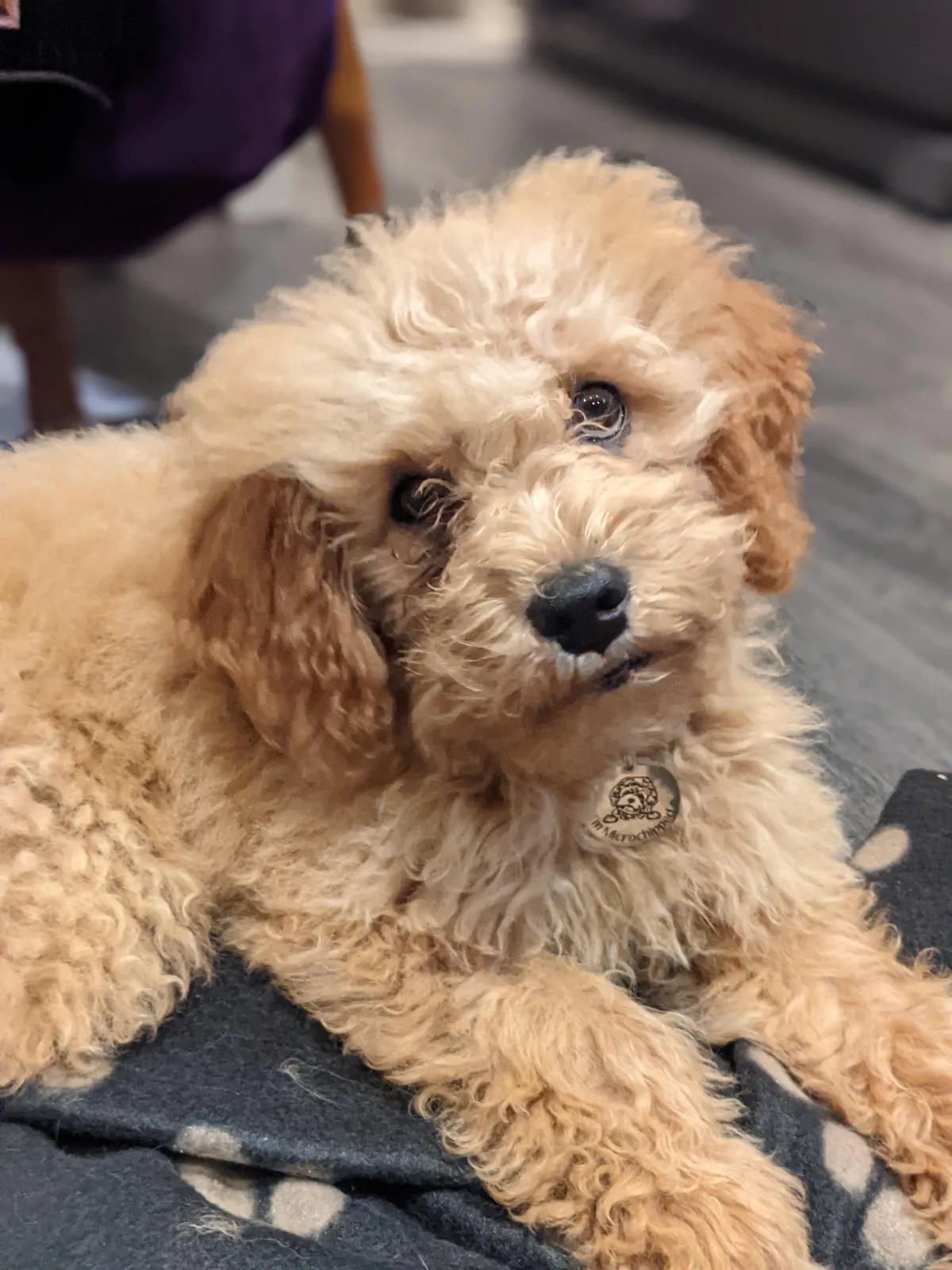
Private Dog Behaviour Training with My Complex Canine
My Complex Canine’s 1:1 dog puppy training sessions offer personalised support tailored to you and your dog’s individual needs. These sessions provide focused guidance on essential skills such as recall, loose lead walking, settling calmly, and building confidence in new situations.
Working at your dog’s pace in a familiar environment helps create a relaxed learning experience. Using kind, reward-based training methods, you’ll gain the knowledge and practical tools to build strong foundations and set your dog up for a happy, well-behaved life with your family.
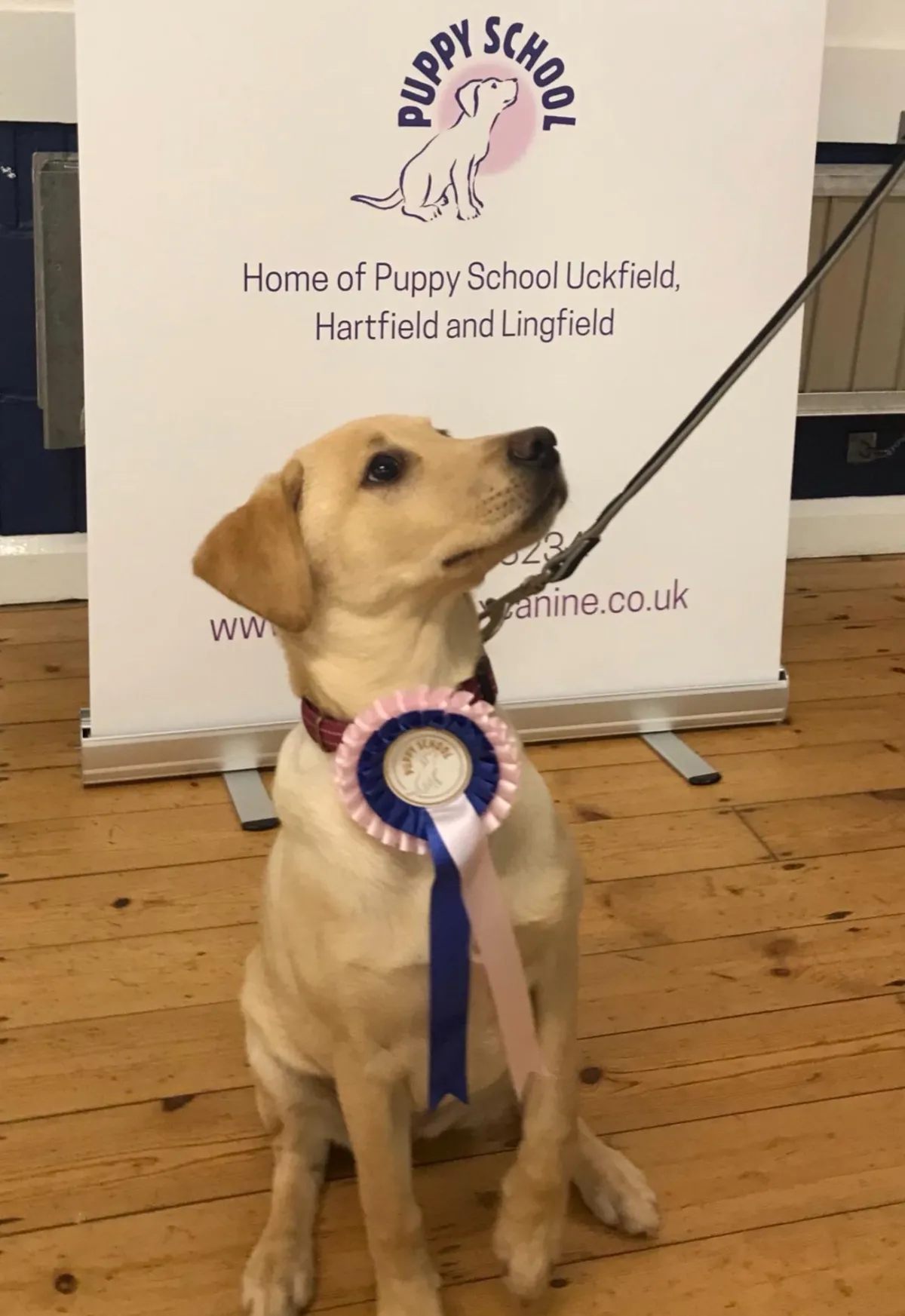
Group Dog Training Classes
We provide consent-based dog behaviour group classes for dogs of any age (over 20 weeks). It is designed to offer a structured, yet fun and educational course, to improve your dog's confidence and trust in all aspects of handling whilst giving them choice and control. We teach dogs to offer consent for all aspects of handling, from grooming to injections, making life happier and vet visits less stressful for all. This course is beneficial to every single dog and owner and will give you a greater understanding of your dog.
Not sure which dog training option is best for you?
If you're not sure if group, or private training is the right option for you - then book a call to discuss your options.
What Our Clients Say
Follow Us On Instagram
Our Latest Blog Posts
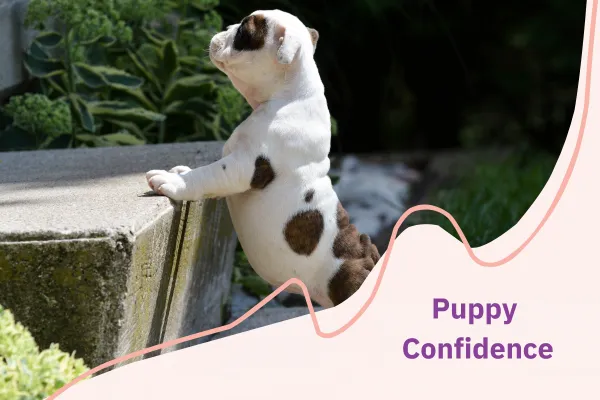
How To Help Young Puppies Build Confidence
Positive Experience
When you get a puppy you are likely to get lots of people telling you to make sure you socialise them as soon as possible and expose them to as much as possible.
However, it is so important to ensure that what they are experiencing is positive, we can do this well by watching our puppy's body language, so we can detect early signs that our puppies are uncomfortable and respond in a way to help them and avoid a situation from escalating, or becoming a negative experience.
It is a great idea to get them exposed to life even before they are able to walk outside, by carrying them (you can even get carriers to put your puppy in). However, take time to consider that if your puppy is held in place by you, or in the carrier, they have very little options to move away from something. By holding them, we are removing the choice of moving away from something worrying. So, for example, if your puppy is in your arms and three people are saying hi all at once, your puppy is unable to move away if they are feeling worried by the experience. If this is practiced often may result in a puppy that is not comfortable with strangers, as rather than serve to get them used to human affection, it has had a negative impact.

Body Language
In order to help your puppy out in this situation and other new socialisation experiences you can spend time learning about dog body language. Doggie Language by Lili Chin has great examples both written and visual and is great to share with younger members of the family too! This allows you to improve your skills of understanding your puppy. Like with humans every puppy is different, so you have the chance to become your own puppy's expert!!!
Most puppies that are worried will show some/many of the following; body lower to the ground, backend lowered, ears back, tail tucked, moving away or towards, hiding, lip licking, whites of eyes, vocalisation, shaking, freezing, tension in their face and body. If you observe any of these behaviours it is important to respond in a way to help your puppy recover, rather than overwhelm them. You need to consider the distance you are to the object that is worrying them. Move away and give your puppy time to recover and return to their normal relaxed behaviours. Once they are relaxed and at a safe distance give them a tasty treat whilst observing the thing they were worried about, this will help create a more positive feeling.
Choice
Also remember the option of choice! If you are able to give your puppy a choice of what they approach, how they approach and if they approach at all, this gives them some control over their life. Which let's face it, we as puppy parents pretty much control most of their life; when they eat, what they eat, when they walk, when they go off-lead, etc...

“The degree of control that a organism has over a stressor potently modulates the impact”.- Maier et al 2006.
So what does this look like? When they experience something new, make sure you are standing behind them, let them lead the way. Praise them when they move forward or look at you and reward with a tasty treat. If puppies are reinforced for being brave and exploring something new, this will be a positive experience that they would want to repeat and therefore will increase their confidence for future experiences.
Observation & Preparation
As well as body language of your own puppy, you need to help your puppy learn how to respond to other animals. If we set them up to practice calm greetings at a distance in safety for example another animal behind a fence, or your puppy securely on lead, and reward them with food and praise for this response then this will practiced and become their default response.
Take a look at some of out Puppy School graduates experiencing new situations in a way that builds confidence, optimism and preferred behaviours. Notice how they all have relaxed body language.

Guidelines for Socialisation with your Puppy
Give plenty of time to practice a few times throughout the week, but do not do too much all at once!
The importance of positive and pressure free experiences. Let your puppy progress at their own speed.
Good choices can be rewarded with food or toys, it will communicate that they are doing well, do not forget to do this!
Focus should be on finding out pups likes and dislikes, strengths and weaknesses.
Watch that body language! If your puppy shows signs they are worried (tucked tail, ears back, lowered body posture, trying to move away, hide, or barking, growling) do not push your puppy forward, create distance from the thing that is worrying them.
Keep encounters fun and positive and if not going well try doing it another day.
If you need some help training your puppy head over to my puppy training page to get you started on your tailored puppy pathway!
FAQ
What age should my puppy be to join a puppy training course?
Puppies should be under 20 weeks old at the start of the class for Puppy School.
Youth Club is our follow-on course for graduates of Puppy School and pups would be
between 5 and 18 months.
Happy Handling is for puppies and dogs of any age that are relaxed and happy around dogs
and people.
What will my puppy learn in a puppy training class?
Puppy School - covers settling calmly on a bed/puppy play biting and appropriate toy play/ handling
(grooming, husbandry procedures)/ loose lead walking/greetings without jumping up/sit, down,
stand and stay positions/recall/accepting people near to food bowls and chews/ socialisation with
other dogs and people and appropriate puppy greetings.
Youth Club - covers leave and drop cues/recall progression/ loose lead progression/distance control/emergency stop and distance positions/manners around doorways, gates and roadsides/ calmer
greetings/ boundary training.
Happy Handling - helps puppies and dogs cope better with various different handling situations.
Covers body language and consent-based husbandry techniques/cooperative grooming/nail
trims/vaccinations/medicating and how to transfer these skills to the vets.
What should I bring to puppy training classes?
Bring a mixture of tasty treats, a flat mat or towel, a stuffed Kong, a water bowl, long soft tugging
toys, poo bags, and a lead and collar or harness.
How long are the puppy training courses?
Puppy School, Happy Handling and Youth Club are all 6 week courses, that run weekly unless
specified.
What are the timings of the puppy training classes?
Each class session lasts for 1 hour.
Can children attend all of your puppy training courses?
Yes, children can attend under the supervision of a responsible adult.
How many puppies attend your classes?
Small class sizes (5-6) allow for some individual coaching.
What if I miss a puppy training class?
Please let your trainer know as soon as possible. There are no partial refunds for missed classes.
How do I sign up for a Puppy School Hartfield or Puppy School Lingfield?
Click on the link to view class dates and times, and follow the instructions to sign up.
What locations do you offer 1:1 sessions?
Lingfield (RH7), Hartfield (TN7), Forest Row (RH18), East Grinstead (RH19), Horley (RH6), Oxted
(RH8), Crowborough (TN6), some Uckfield (TN22) areas.
Where are 1:1 sessions held?
At your home address and in your local area.
How to I sign up for 1:1 Training?
Schedule a free discovery call by clicking the banner at the top of the page, selecting a date and time and completing the form.
Follow us


My Complex Canine offers professional puppy training classes (Puppy School Hartfield and Puppy School Lingfield) and supportive private dog training programs. Owner Sarah Worth is a registered ABTC training instructor and practices science-led ethical training methods.
(c) My Complex Canine 2026. Privacy Policy | Terms and Conditions | Terms and Conditions of Service | Sitemap